Exploring Ghent and New Frontiers of Our Field
A Recap of the ENPA Meeting 2026
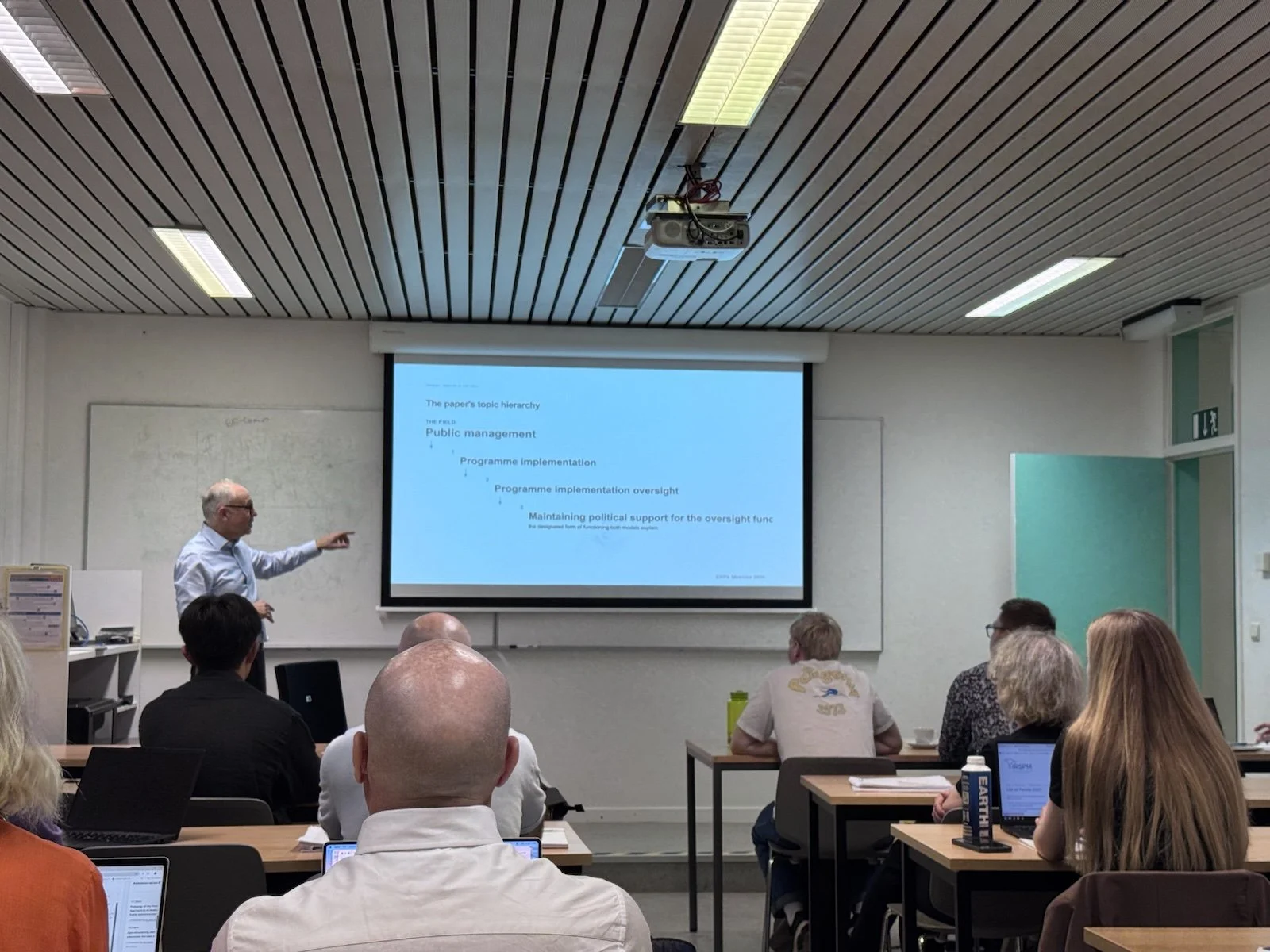
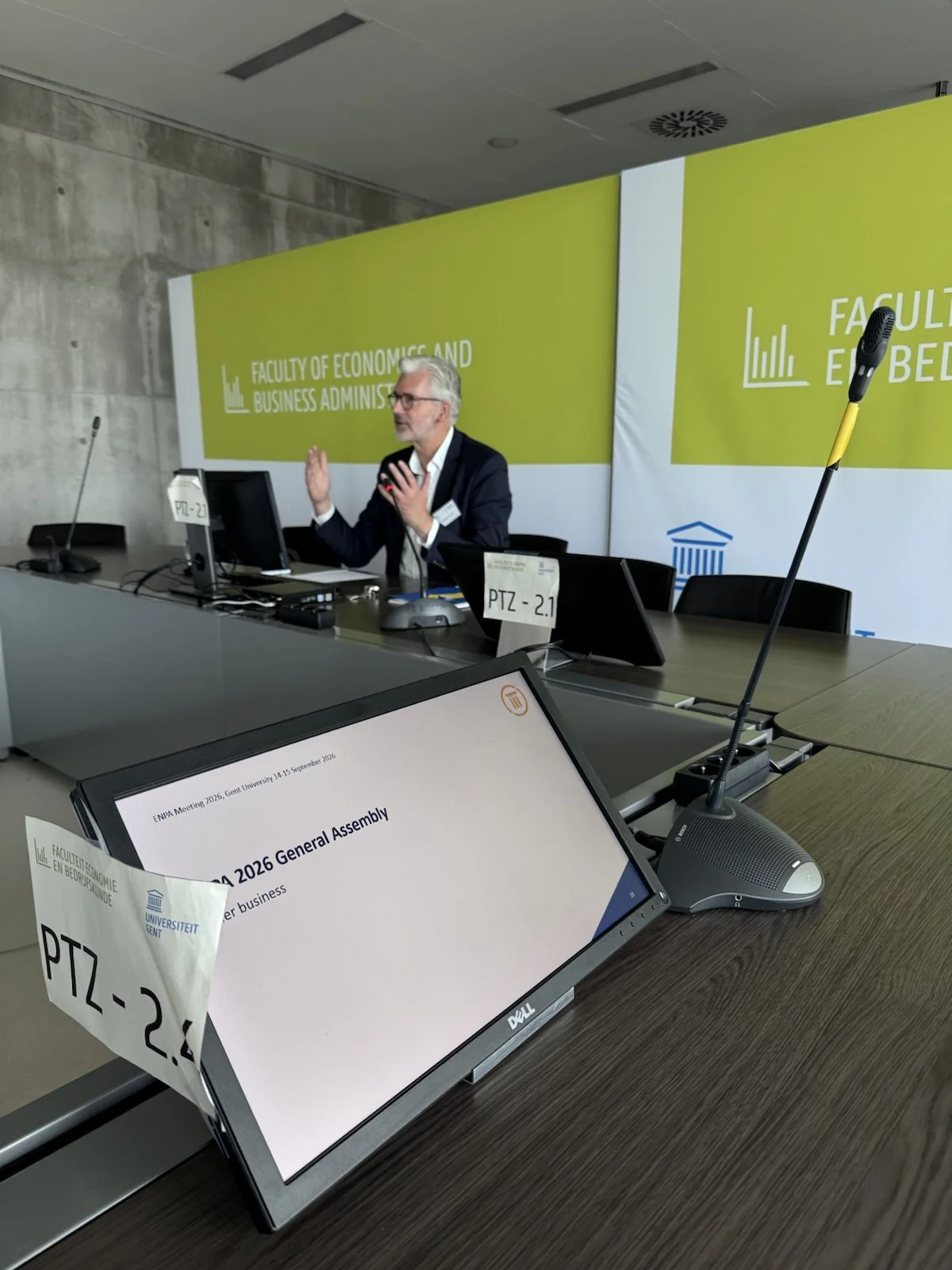
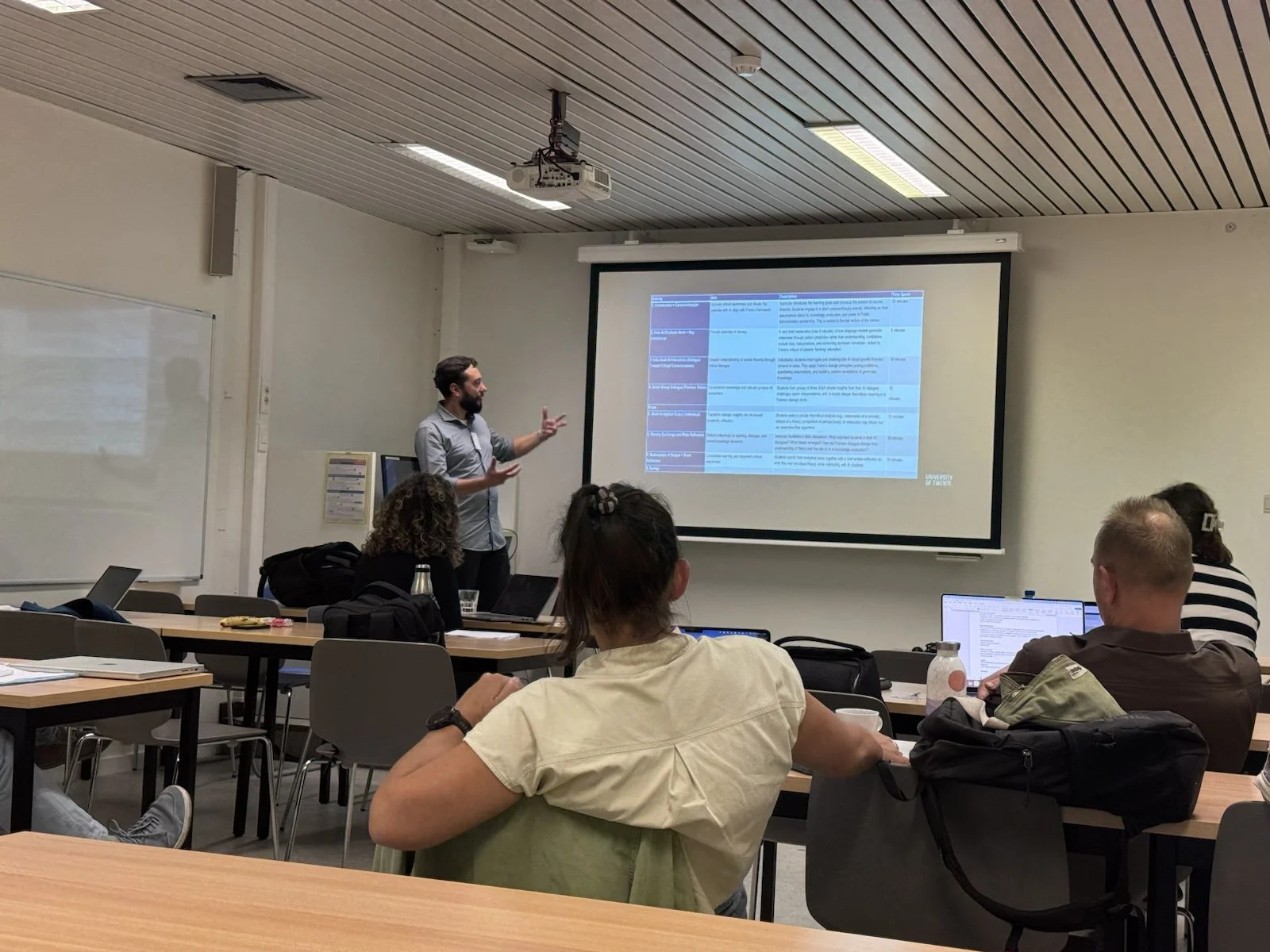
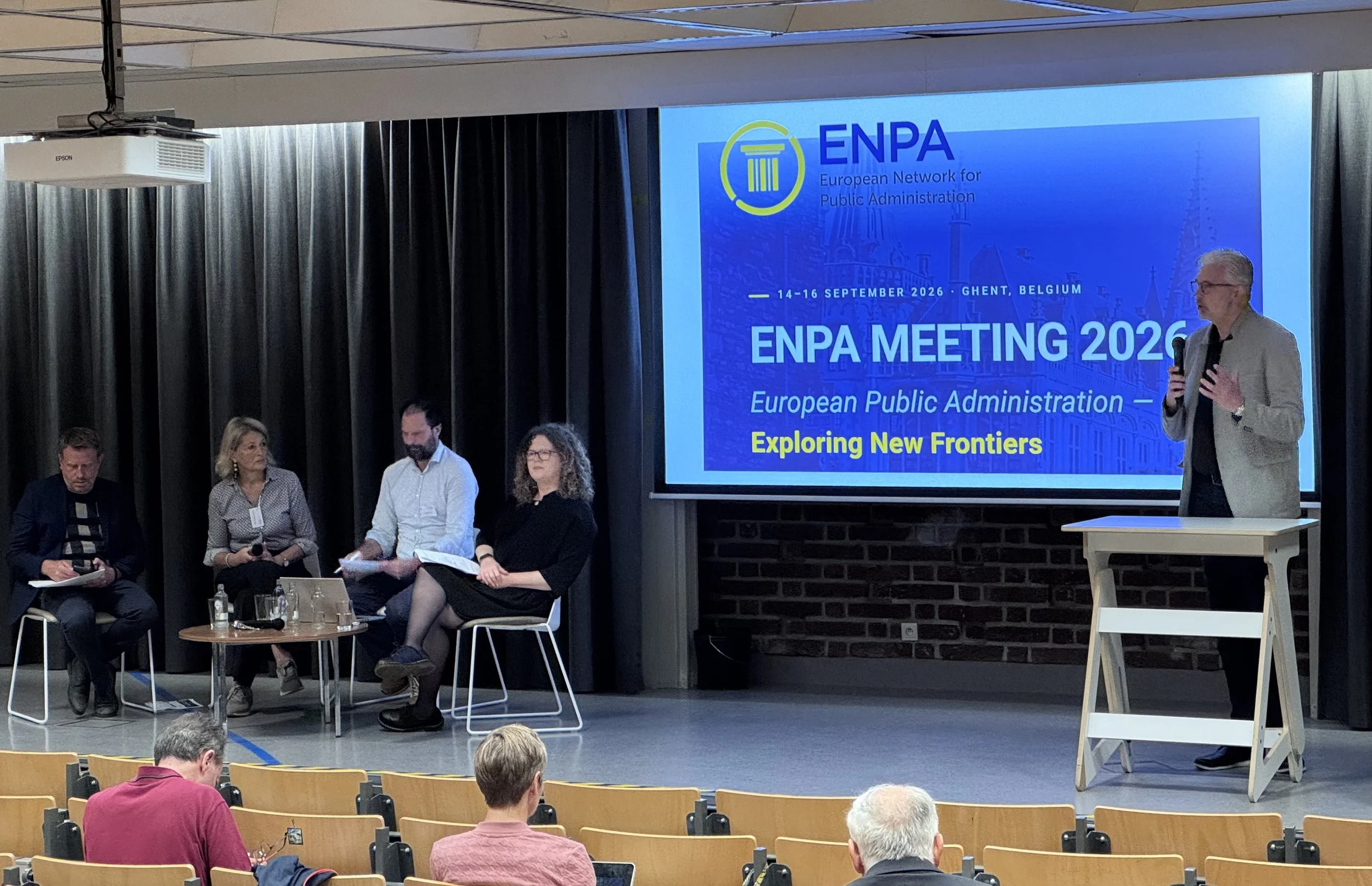
From 14 to 16 September, the European Network for Public Administration held its 2026 Meeting at Ghent University, hosted by the Department of Public Governance and Management. Over three days, scholars from across Europe came together for a deliberately small-scale gathering, and it showed exactly what that format can offer: serious scholarship by day, and genuine connection by night.
A head start: the ENPA-NIG Doctoral School
The meeting opened with our ENPA–NIG Doctoral School, led by Sjors Overman (NIG) and Benjamin Friedländer. Getting under way on the Monday morning and running across seven sessions over the three days, it brought together PhD researchers from different disciplines and countries around a central question: how can we understand and theorise public governance in increasingly complex, fragmented and dynamic societies? Discussion ranged across institutions and individuals, networks and collaboration, democratic legitimacy and accountability, and what made it especially rewarding was the chance to connect these debates directly to the participants’ own dissertation projects.
The workshop: three tracks, fifteen sessions, countless ideas
Alongside the Doctoral School, the workshop ran across three tracks, research, education and practice, with fifteen sessions over three days. The research track moved from policymaking under complexity and foresight, to AI, data and public value in government, and on to governing sustainability transitions. The education track took on professional learning, didactic methods and challenge-based learning, including how AI is reshaping the way we teach public administration. The practice track brought practice-oriented research to the fore, from research-based tools for practitioners to emerging lessons from the field, spanning shrinking civic space and citizen feedback, migration governance and the green transition.
Across the tracks, a few threads kept recurring: how AI and datafication are reshaping the state, how governments are steering the sustainability transition, and, running through both, questions of public value, what public administration creates, and for whom.
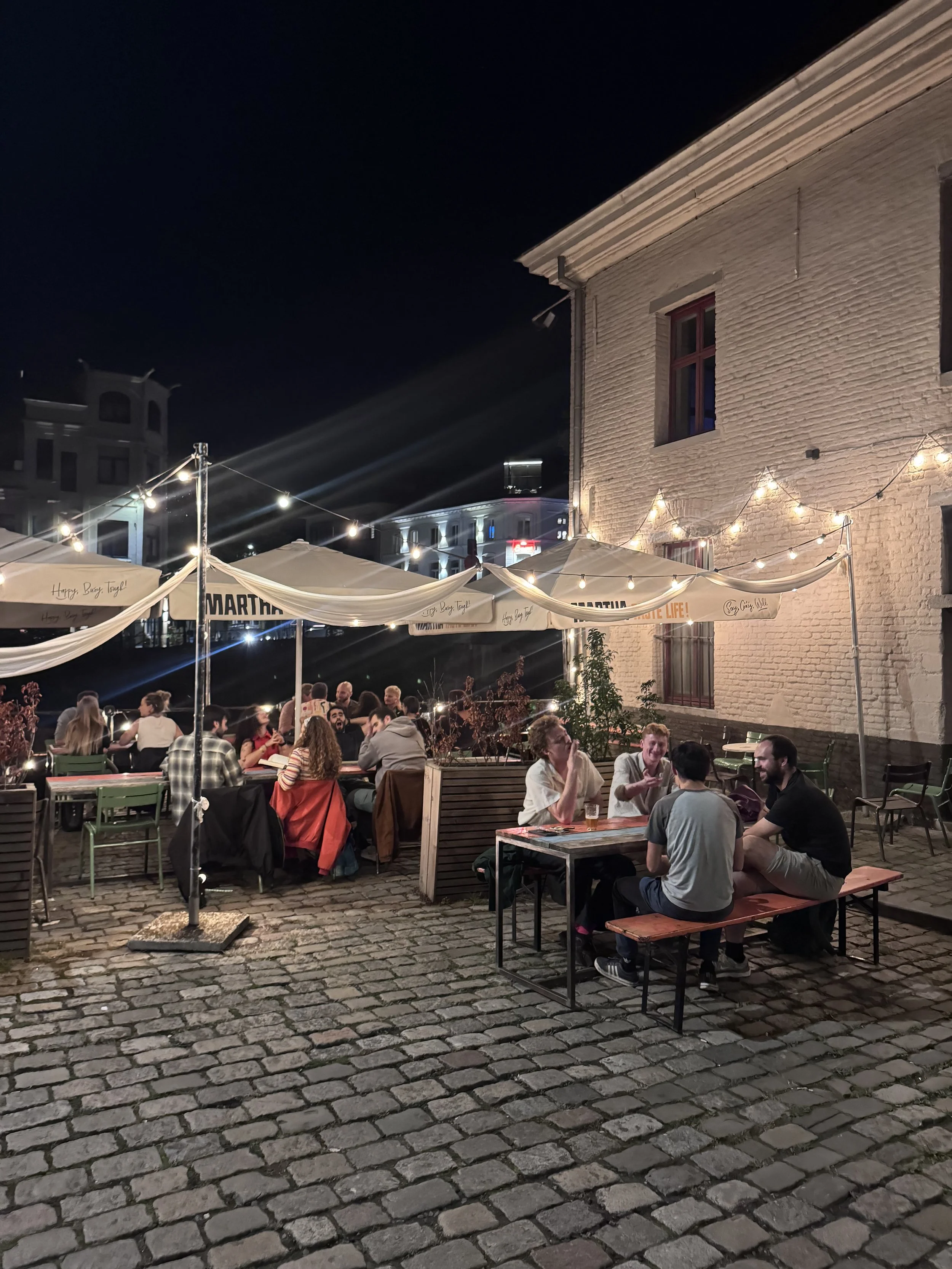
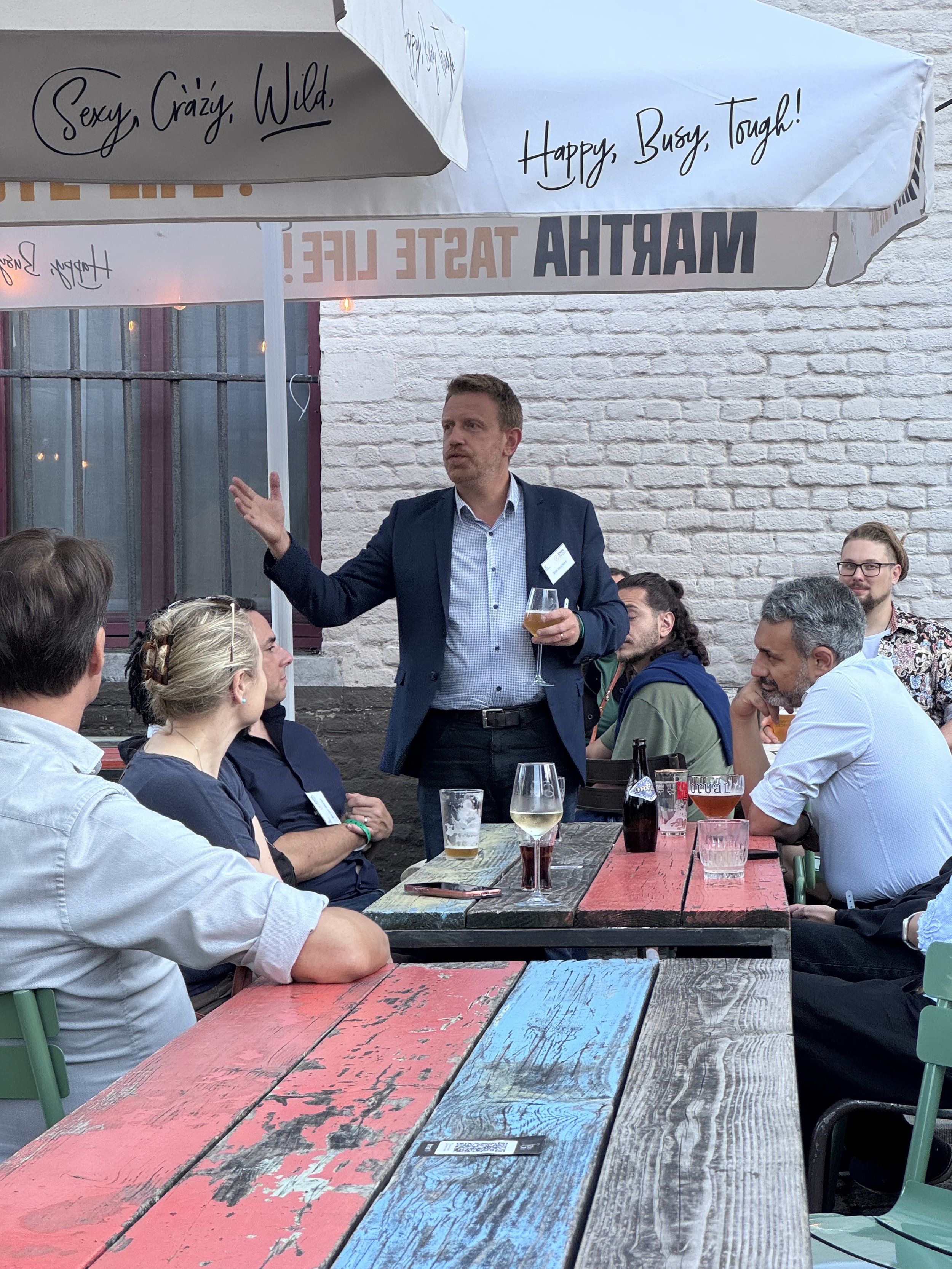
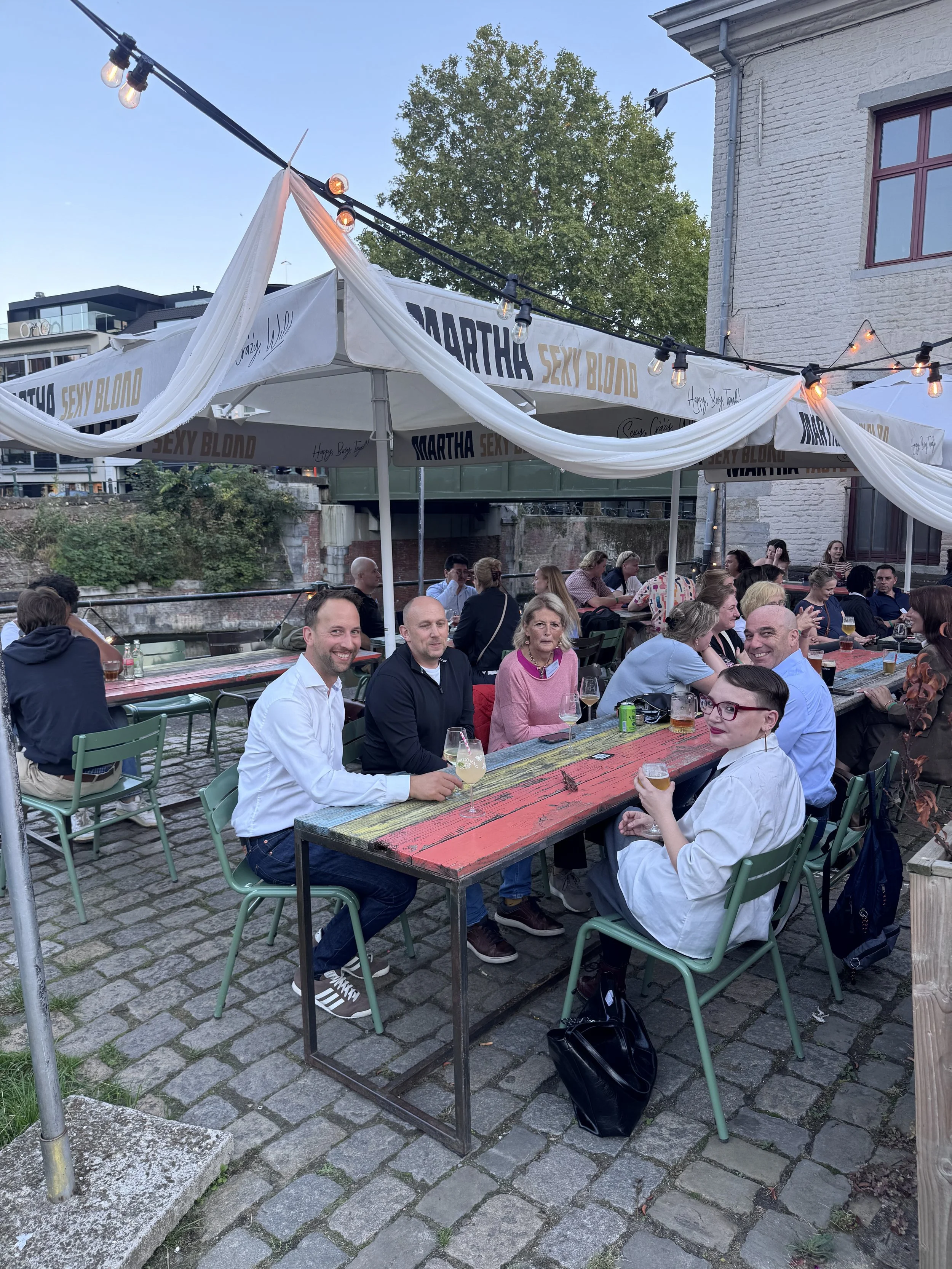
The days were matched by the evenings. Blessed with glorious late summer weather, we gathered at a local student pub to wind down, with drinks, easy conversation and the close-knit atmosphere that a smaller meeting allows, the kind of connection that happens between the sessions as much as within them.
A milestone: ENPA’s first General Assembly
On the Tuesday afternoon came a genuine milestone: ENPA’s first ever General Assembly. It brought our members together to talk through the road ahead for the network. Voices from across the community were heard, ideas were exchanged, and conversations about what ENPA can do for its members got going, capturing the democratic community spirit at the heart of this network.
The closing plenary: reflections from the chairs
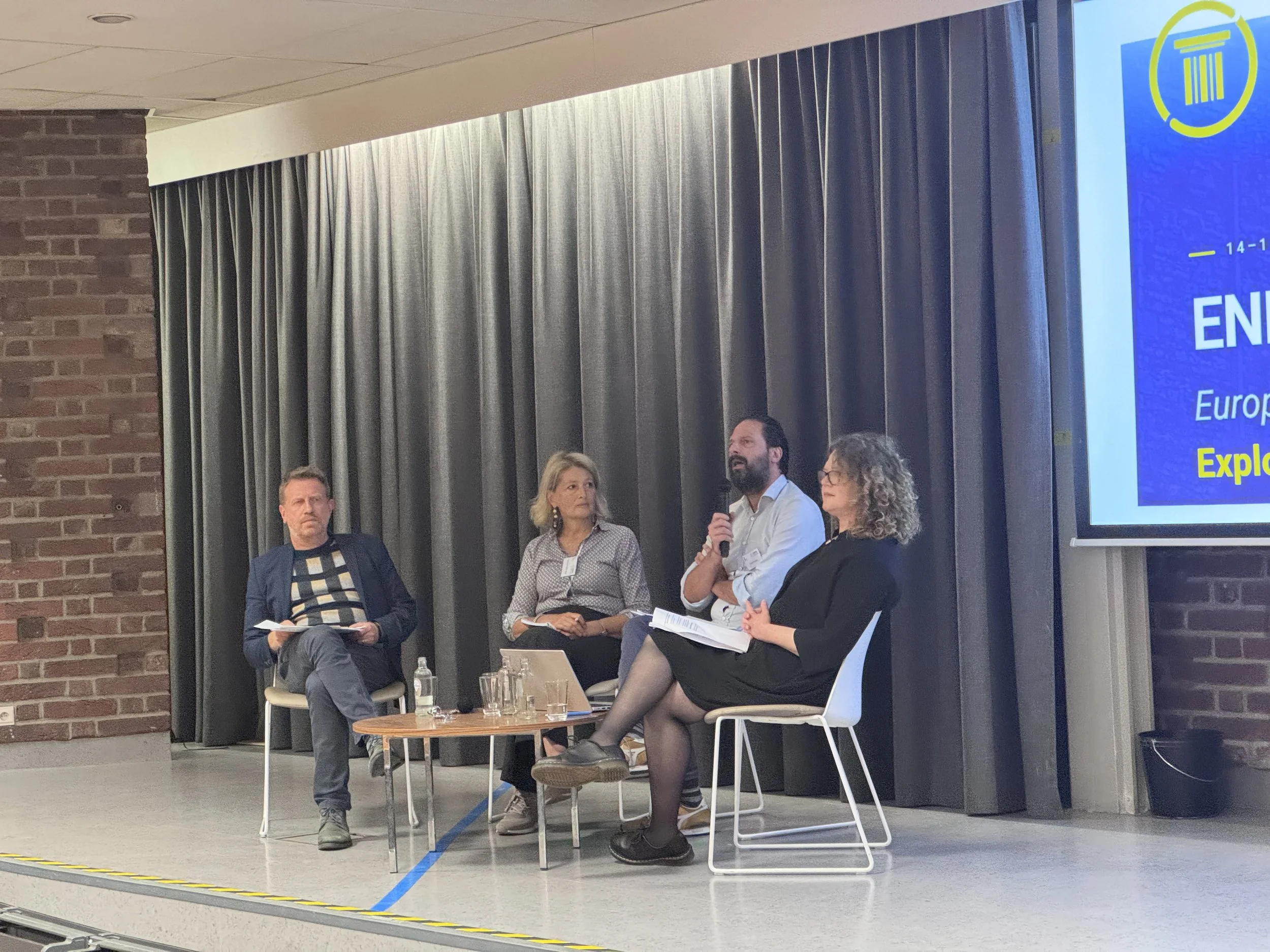
The meeting drew to a close on Wednesday with the plenary “The future of public administration research and practice”, moderated by Francesca Manes-Rossi. Each of the three track chairs reflected on what had emerged over the meeting.
Karin Bottom, on education, returned to the fundamentals: the purpose and responsibility of public administration education. Amid polarisation, financial pressure and declining trust in academic expertise, she urged us to hold firm to democratic and ethical values, to educate beyond Western contexts, and to preserve human judgement in an AI-driven world. Her way forward: fewer papers, examined more deeply, and a real community of practice among educators.
Paolo Graziano, on research, saw strong empirical and methodological work across five rich sessions, and welcome space for the normative approaches journals rarely allow. What was missing, he argued, was theory: to advance the field, theory-driven questions should come first. He also called for more history, and for learning from historical comparison.
Bram Verschuere, on practice, framed the practice papers around the civil servant, examined as service deliverer, harm reducer, policymaker, manager, problem solver and guardian of democracy, and always deeply context-specific. His three reflections: the civil servant’s role in democracy, in maintaining transparency within complex networks, and in creating public value, which demands real expertise and capacity.
The keynote: complaining as a superpower
The keynote came from Bishoy Zaki, who made an unlikely case: that complaining, done right, is something of a superpower. The crises that matter most, he argued, are the creeping ones, slow, hidden, easy to miss. If we do not complain, we do not notice, and ENPA itself grew from honest dialogue and a healthy dissatisfaction with the status quo. Only celebrating what already works does not move us forward.
He asked the room what we dislike about our own field, and the answers came quickly: practitioners do not read our work, everything is framed as ever more complex, AI is met with evangelism, there is no simple way to convey why our work matters, and the field carries a lingering inferiority complex.
He then turned to his own diagnosis, three sites of pain. In education, the fundamentals of our craft, its concepts and terms, and of our field, its founders, debates and big questions, are slipping out of sight. In research, qualitative work drifts towards investigative journalism without methodological grounding, while quantitative work performs methodological acrobatics but neglects theory, leaning on numbers without asking what they mean. As he put it, “theory is not an abstract notion, it is what we know works.” And in practice, do we produce knowledge that is visible, and do we run our own institutions by what we find? Academia’s reputation for toxic leadership and burnout suggests not, the shoemaker whose children go barefoot.
His invitation: return our attention to foundations, guardrails and practice.
Closing words of the president
Closing the meeting, ENPA president Eckhard Schröter quoted a colleague, who called it a luxury to talk with like-minded people without the time pressure of a large conference. ENPA intends to keep this format, he said, while daring to ask the bigger, grander questions rather than getting lost in technicalities. His hope was that everyone left having connected, with one another and with ENPA.
A warm thank you!
Our warm thanks go to everyone who joined us in Ghent, to our chairs, speakers and hosts, and in particular to Bram Verschuere and colleagues at the Department of Public Governance and Management, whose hard work made it all possible. A special thank you, too, to our wonderful membership base. We were especially glad to see so many of you there in person for our first General Assembly, a turnout that made the occasion all the more meaningful.
More than a network, ENPA seeks to be an academic home: a community of like-minded people to learn from and grow with, that you can have a real say in and help steer as it builds momentum. If that sounds like something you would like to be part of, we would love to welcome you.