
ENPA-NIG Doctoral School
Advanced Introduction to Public Governance
About
We are pleased to announce a 2.5-day theory-focused PhD workshop jointly organized by the European Network for Public Administration and the Netherlands Institute of Governance. The course is aimed at researchers who are interested in governance theories, and have a background in a related discipline, like sociology, economics, law, management, etc*.
This workshop will concentrate on theoretical challenges in public governance. The aim is to create a focused space for doctoral researchers to critically reflect on conceptual foundations, refine theoretical arguments, and engage in scholarly dialogue. The workshop builds on the spirit of the ENPA Doctoral Seminar as a dynamic, interactive, and high-level forum for PhD students in public administration, management, governance, and policy.
Participants will have the opportunity to sharpen their theoretical positioning, increase their understanding of the debates in public governance, and build lasting academic networks across Europe and beyond.
*If you have a master’s degree in public administration or public policy, you may find overlap with your existing knowledge.A focused space for doctoral researchers
Theories of governance provide an analytical tool kit for reflecting on and participating in the production of ordered rule in our increasingly complex, fragmented and dynamic society.

Topic
What is public governance and how do we theorize in it?
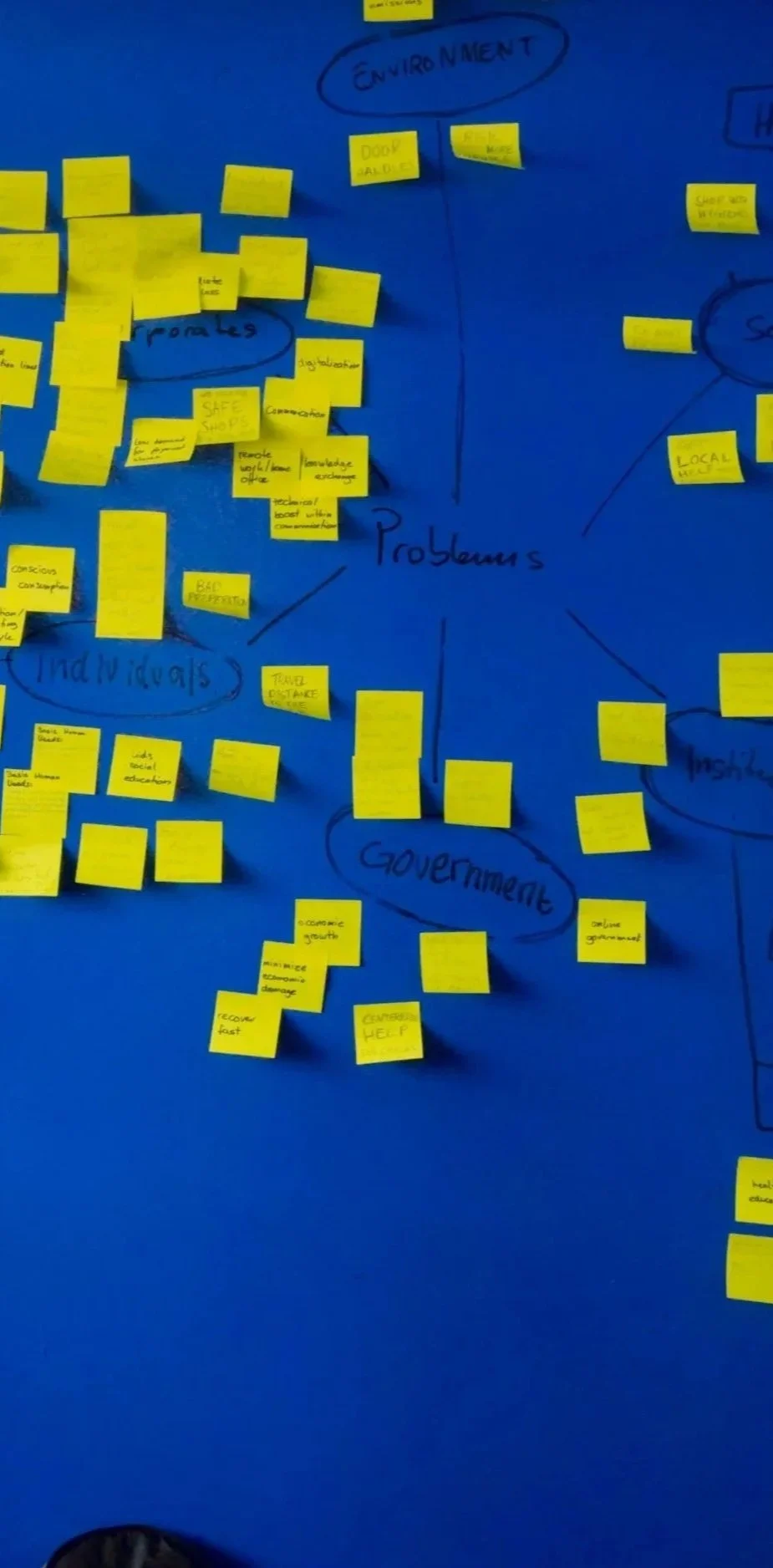
Public governance is essential for societies to dealing with shared challenges and to keeping collective life running. The course treats governance as ‘the interaction between government and non-government actors engaged in the governing of specific public problems.’ (Ansell 2023: 3). Mitigating large problems including climate change, diseases, (forced) migration, and poverty require some form of governance. But that is easier said than done, because these large problems are essentially messy, have no clear problem definition, and involve competing interests. Governance is much more than just designing an ‘optimal’ solution to a problem. Understanding public governance involves understanding the logic of institutions, politics and bureaucracies. It requires balancing performance, legitimacy, accountability, and other public values.
The central question in this course is: What is public governance and how do we theorize in public governance? Answering these questions is essential to study public governance in a rigorous way. We will delve into large societal problems and apply different approaches and theories of governance to gain a deeper understanding of these problems. We will notice that good theories of governance can be instrumental to governance, critical of governance, as well as explanatory.
Objectives & Output
Combining meta-theoretical reflection with direct application
Unlike many governance courses that focus on policy tools or empirical applications, this course places theory-building and conceptual reflection at its core. It is specifically designed for doctoral researchers from outside public administration and supports them in developing their own theoretical positioning. By combining meta-theoretical reflection with direct application to participants’ dissertation projects, the course provides a structured space for advanced theoretical engagement. Participants will engage with key conceptual debates and apply governance theories to their own dissertation projects. By the end of the course, participants will:

01
Gain a solid overview of core concepts and theories in public administration and governance.
02
Develop the ability to apply governance theories to their own research context.
03
Strengthen their capacity to analyze complex public problems through a theoretically informed lens.
Format
The course will be structured in 6 blocks. There will be perspective and theme blocks. In the 2 perspective blocks we will focus on the conceptualization of governance, the use of governance theories and the theories that start from institutions versus individuals. In the 4 theme blocks, we will concentrate on developing our understanding of the themes and the roles these themes play in our own research.
Course structure:
6 blocks over 2.5 days
Day 1 — Governance and the State
PERSPECTIVE 1
Theories of Governance
What is governance? · How to use theories?
THEME 1
Effective and Accountable Governance
Politics · Organisation · Policy
Day 2 — Governance and Society
THEME 2
Networks and Collaborative Governance
Governance · Coordination · Networks · Collaboration
THEME 3
Democratic and Legitimate Governance
Depoliticisation · Trust · Representative bureaucracy
Day 3 — Governance and the World
PERSPECTIVE 2
Institutions and Individuals
Theories of institutionalism · Governance and behaviour
THEME 4
Transnational Issues and Governance of the Commons
International organisations · Regulation · Governing the commons · Transitions
Preparation & Credits
What's required of you
Required reading
Read Ansell (2023)
Participants read the book by Christopher Ansell: Rethinking Theories of Governance. Edward Elgar (2023).
Short paper
Write a 1500-word paper
Participants prepare a short paper of maximum 1500 words on the topic of their dissertation. This paper will be discussed and developed throughout the course in a portfolio format.
To obtain credits
Submit the updated version
Participants hand in the updated version of their paper after the course, including a reflective overview of insights developed during the course. Active participation is required.
Instructors
Meet the Team
Germany